
2026 Colorado Bills Strengthen Protection for Bike Riders
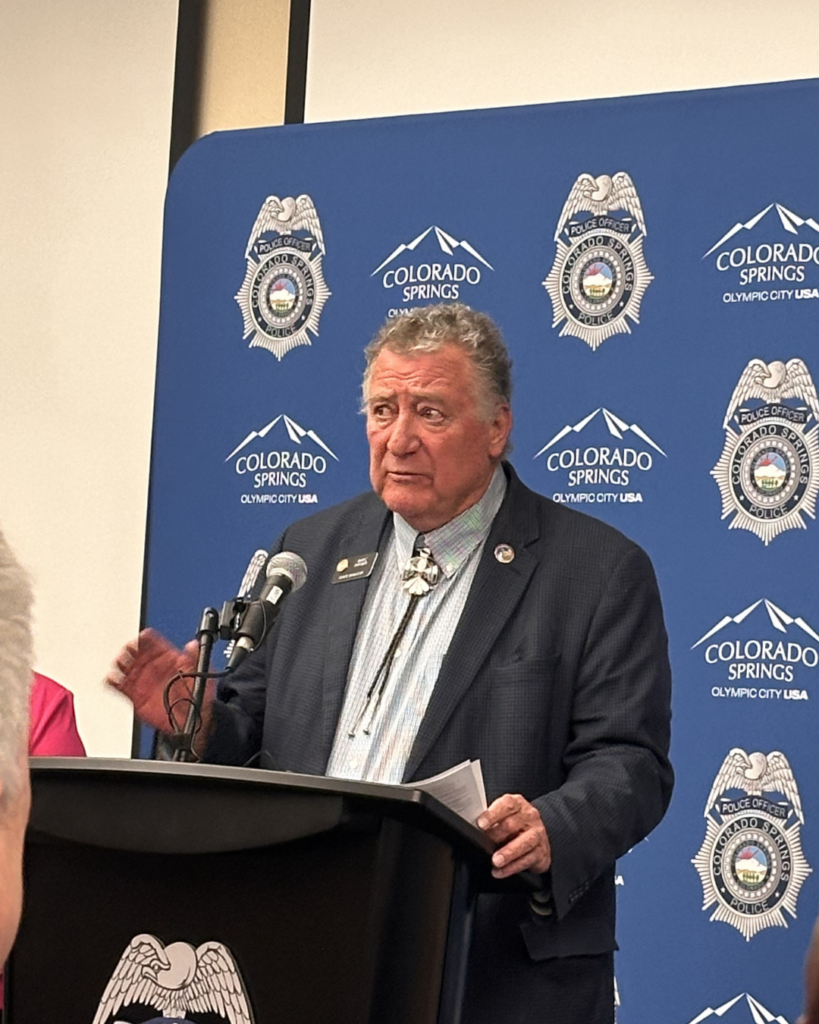
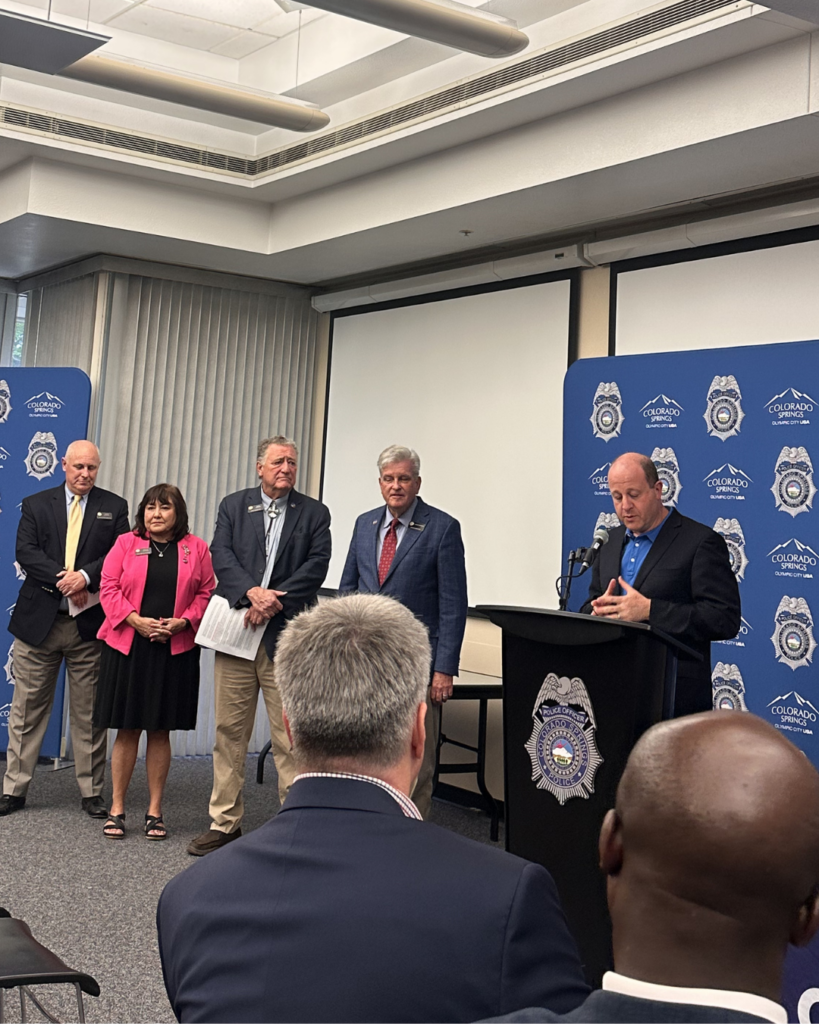
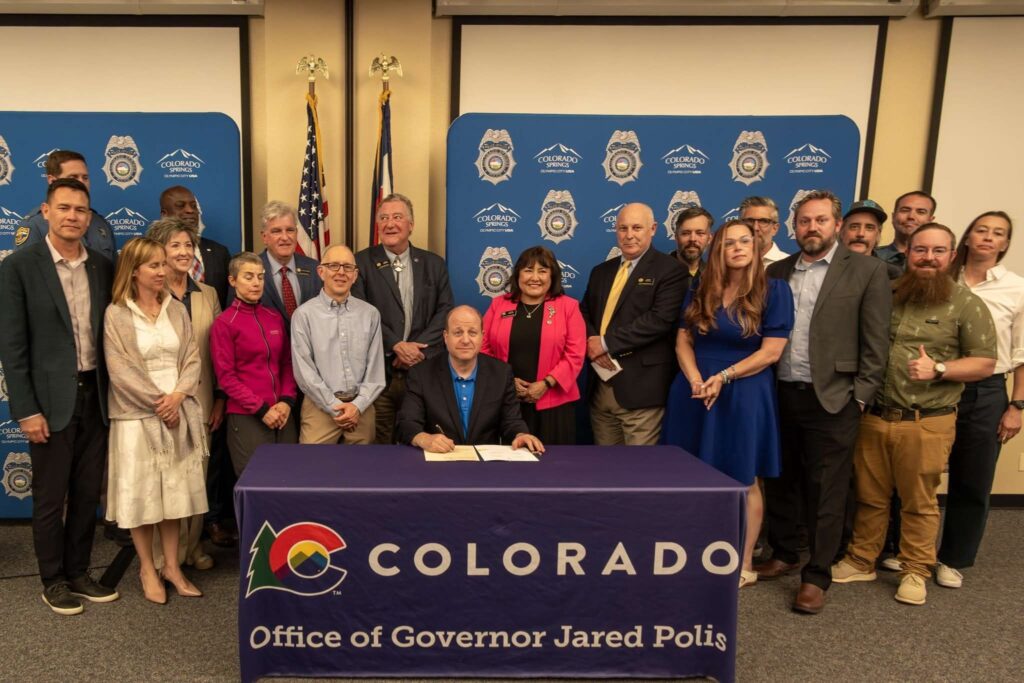
The Colorado state legislature just finished their 2026 session, and this year they passed multiple bills that look to improve road safety in the Pikes Peak region. With the passage of SB26-072 and HB26-1237, bike riders and people walking in Colorado Springs and beyond now have the strongest legal protections in state history. We were so thankful to be able to celebrate this signing in Colorado Springs with some of the key drivers of this legislation; Magnus White’s parents, and Pete Piccolo of Bicycle Colorado .
From felony accountability for negligent drivers to statewide enforcement against parking in bike lanes, here is a breakdown of what these new laws mean for our community and the local leaders who made them happen.
SB26-072: Felony Accountability for Road Deaths
For years, drivers who killed cyclists often faced only misdemeanor “careless driving” charges due to a legal loophole. SB26-072 fundamentally shifts this landscape. This bipartisan bill passed the Senate unanimously (31–0), signaling a rare moment of total consensus on road safety.
Key Changes to State Law
Felony Charge: District Attorneys can now charge drivers with Criminally Negligent Homicide (a Class 5 Felony) if their negligence causes the death of a vulnerable road user.
Closing the Distracted Driving Loophole: This bill repeals language in C.R.S. 42-4-239 that previously capped penalties for deaths caused by mobile device use at a Class 1 Misdemeanor. While not an automatic felony, this repeal removes the legal barrier that often prevented DAs from seeking felony charges in distracted driving fatalities.
Mandatory License Revocation: Perhaps most impactfully for daily safety, a conviction for Criminally Negligent Homicide while driving now triggers mandatory license revocation.
Habitual Offender Status: These convictions now count toward “Habitual Offender” status. Under Colorado law, three such major violations in a seven-year period result in a 5-year revocation of driving privileges, making it significantly harder for repeat dangerous drivers to stay on the road.

HB26-1237 – Protecting Our Lanes
While SB26-072 focuses on the courtroom, HB26-1237 (The Transportation Safety Modifications Act) focuses on the street level.
Statewide Standard: It is now illegal statewide to stop, stand, or park a vehicle in a designated bike lane. This gives every jurisdiction in Colorado the teeth to protect cycling infrastructure.
The Colorado Springs Precedent: While this is a new mandate for many parts of the state, it aligns with what we’ve worked for locally. In Colorado Springs we already had our own ordinance on the books prohibiting parking in bike lanes (STC 10.16.101). By adding this to the state motor vehicle code as a Class B traffic infraction, HB26-1237 provides a uniform statewide basis for enforcement.
Language Matters: The law officially replaces the word “accident” with “crash” in state statutes, acknowledging that these incidents are preventable.
Vital Stats for 2026
The urgency of these bills is underscored by recent data in Colorado:
| Metric | Detail |
| Safety Trend | 78% increase in pedestrian/cyclist fatalities since 2015. |
| 2024 Impact | 134 deaths the second-deadliest year on record for Vulnerable Road Users (people outside of cars) |
| Local Action | Fountain adopted Vision Zero (March 2026); COS launched its Safety Action Plan (2026). |
How to Take Action: Reporting Violations
Laws are only as effective as their enforcement. If you encounter a vehicle parked in a bike lane in Colorado Springs, report it using the GoCOS! app.
Using the GoCOS! App:
- Safety First: Only take photos if it is safe to do so.
- Submit a Request: Choose the “Traffic Signal/Sign/Marking” or “Parking Enforcement” category.
- Provide Detail: Include the time, specific location, and a photo showing the vehicle blocking the lane.
Why it matters: These reports create a “heat map” of data that helps us advocate for physical infrastructure (like bollards or curbs) in the areas where violations are most frequent.
What’s Next?
HB26-1237 takes effect August 12, 2026. Thank Sen. Marc Snyder for his leadership—his work ensures that when we say “Share the Road,” the law finally has the teeth to back it up.